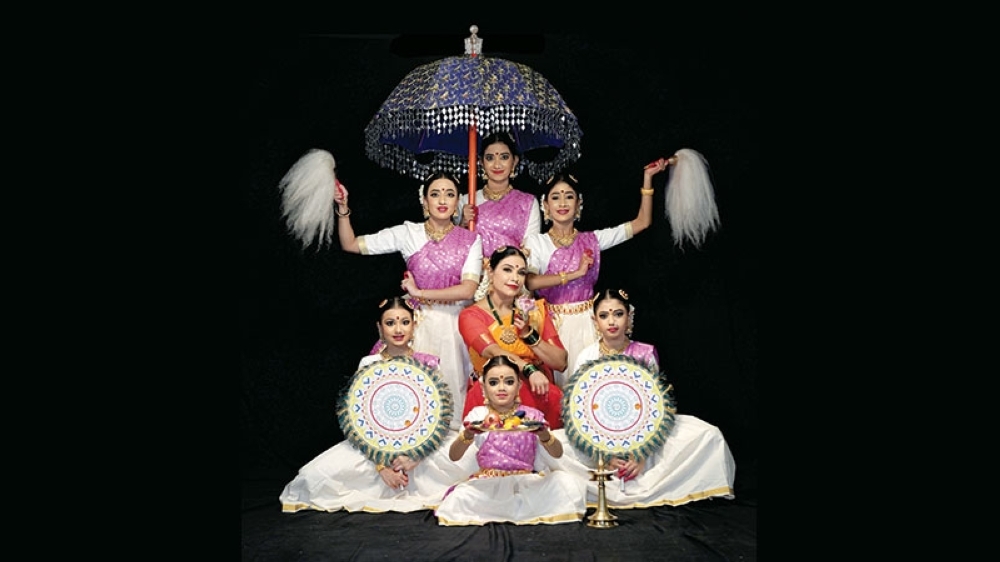


Expatriates living in the Sultanate of Oman, predominantly from India, Nepal, and Bangladesh, are celebrating Navaratri, the nine nights dedicated to prayers and the celebration of the victory of good over evil.
From community halls in Ghala and Darsait to auditoriums in Suhar and Salalah, the air is filled with the sound of conch shells, devotional songs, and the jingle of ghungroos as the celebrations come alive in Oman. The spirit has once again transformed the Sultanate of Oman into a vibrant canvas of devotion, dance, and culture, proving that faith knows no borders.
For commercial outlets and small-scale vendors in Muttrah and elsewhere, Navaratri is a season that fetches brisk business as devotees look for festive decor, food, and special clothing for celebrations.
"Navaratri is a season for products that range from decorative items, festoons, and garlands to food and vegetables, as believers observe fasting, which enhances the sale of vegetables," a shopkeeper in Muscat said.
For the expatriate communities in Oman, Navaratri is not just a religious ritual; it is a homecoming. Several expat associations, various temple committees, and cultural organisations have lined up nine days of programs and their culmination on the ninth day. The celebrations include daily pooja (prayers), Bommai Golu (displays of dolls narrating stories from epics are arranged on several steps), and classical dance recitals.
What makes Navaratri in Oman special is its inclusivity. These celebrations bring together people from different states, languages, and even nationalities. Children born and brought up in Oman get to learn about their roots through workshops on Bharatanatyam, Mohiniyattam, and Carnatic music organized as part of the festival.
"We are happy to celebrate Navaratri with lots of festivities, which include dances and recitals, thanks to the Sultanate of Oman and the government that supports various beliefs," said Sreelakshmy, a danseuse and teacher who runs 'Keharwa', a group that embodies Oman's traditional folklore and Indian dance forms.
As the chenda (traditional musical drum) beats and devotional songs continue until Vijayadashami, the festival reinforces a powerful message: culture travels with people, and in the warm sands of Oman, the celebrations are reborn with the same devotion as in the valleys of Kerala.
Navaratri is primarily celebrated in India and Nepal, where it is known as Dashain, as well as in countries with large Hindu and South Asian diaspora communities. Indians celebrate the festival nationwide with diverse regional traditions, like Garba and Dandiya in Gujarat and Maharashtra, Puja in West Bengal and Assam, Golu in Tamil Nadu, and Ramlila in North India. In Bangladesh, Navaratri is celebrated by Hindus with prayers, fasting, and community pandals.
Oman Observer is now on the WhatsApp channel. Click here